






Downham Estate bulky rubbish removal options
Posted on 14/05/2026
Downham Estate bulky rubbish removal options: a practical local guide
If you live in Downham Estate and you have a broken wardrobe, an old sofa, a stack of carpet offcuts, or the sort of garden debris that has quietly taken over the corner of the yard, you are not alone. Bulky rubbish has a way of hanging around longer than it should. One minute it is "for later", the next it is blocking a hallway, making a flat feel cramped, or turning a tidy space into a bit of a headache.
This guide breaks down Downham Estate bulky rubbish removal options in plain English. You will see how the main methods work, what to think about before booking, what can go wrong, and how to choose the most sensible route for your situation. If you want a broader overview of local support, you can also browse the company's services overview or look at the full range of waste removal services available across Lewisham.
Truth be told, bulky waste is rarely just about "getting rid of stuff". It is about access, timing, lifting, disposal responsibility, and whether you want a quick one-off clear-out or a more careful, room-by-room approach. Lets face it, nobody wants to spend a Saturday wrestling a mattress down three flights of stairs if there is a smarter way.
Why Downham Estate bulky rubbish removal options Matters
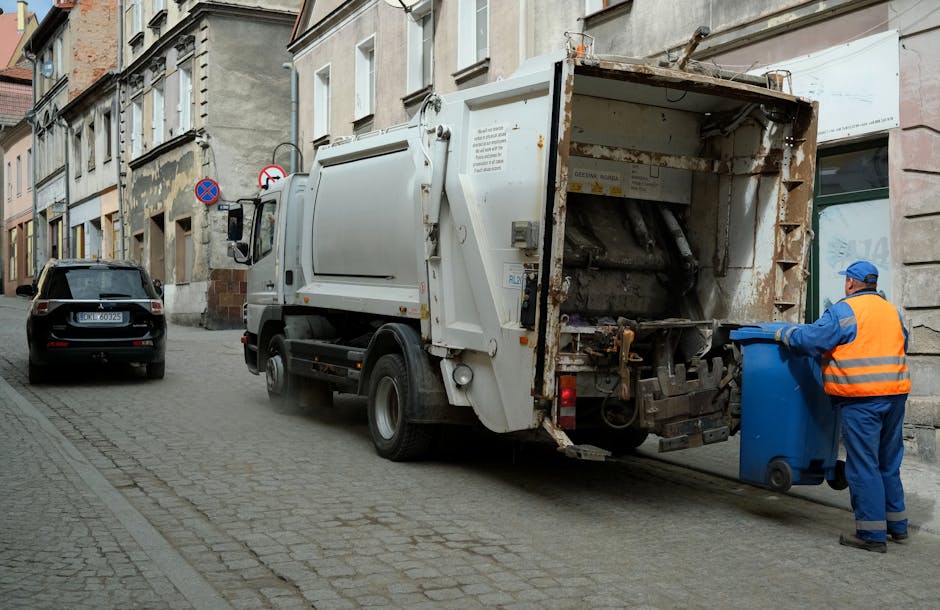
Bulky rubbish is different from everyday household waste. It is bigger, heavier, awkward to carry, and often impossible to fit neatly into standard bins. Sofas, wardrobes, bed frames, broken appliances, old desks, radiators, exercise equipment, and renovation leftovers all fall into that awkward middle ground. They are not just "trash" in the everyday sense; they are items that need a proper plan.
In a place like Downham Estate, space tends to be at a premium. Hallways can narrow fast, storage areas fill up, and shared access routes can make carrying furniture trickier than people expect. If you live in a flat or maisonette, bulky rubbish sitting around for too long can become a safety issue and, frankly, a source of daily irritation. You keep sidestepping it. You stop noticing the room as a room.
There is also the practical side. The wrong disposal choice can waste time, create extra costs, or lead to items being dumped improperly. That brings problems for you and for the wider community. Choosing the right bulky rubbish removal option helps keep the area clear, safe, and liveable. It also makes the process feel much less stressful, which matters more than people admit at first.
For residents who are already planning other clear-outs, it can help to think of bulky waste as part of a wider home or property reset. That is why many people combine it with a house clearance service, or with broader waste clearance in Lewisham, especially after a move, a tenancy change, or a long-overdue declutter.
How Downham Estate bulky rubbish removal options Works
At a simple level, bulky rubbish removal follows the same basic sequence: identify what needs moving, decide how it should be taken away, book the right service or arrange the right disposal route, and make sure the items are ready for collection. The details matter though. The more awkward the item, the more important it becomes to think through access, weight, and sorting.
Most options fall into a few practical categories. You might use a council collection service if your items qualify and you are happy to wait. You might hire a professional rubbish removal team if you want items lifted from inside the property. Or, if you have a vehicle, time, and the right permission, you might transport waste yourself to an appropriate facility. Each route has trade-offs. No single one is best for everyone.
In real life, the best choice often depends on the details. A single old mattress is one thing. A full flat clear-out with wardrobes, a dismantled bed, and broken shelving is something else entirely. The latter is where a more structured service becomes valuable, because the labour and logistics can take more time than the disposal itself. That sounds obvious, but people often miss it until they are standing in front of a staircase with a sofa that clearly was not designed to turn corners.
If you are not sure how a professional collection works, the general process is usually straightforward:
- You share what needs removing, ideally with photos and rough sizes.
- A quote is given based on volume, access, item type, and labour.
- A collection time is agreed.
- The team removes the items, sorts them where appropriate, and transports them for reuse, recycling, or disposal.
For readers who want a trusted starting point, the company's rubbish removal in Lewisham page is useful for understanding what kind of jobs are typically handled and how a local collection can be arranged.
Key Benefits and Practical Advantages
The biggest benefit is obvious: you get the bulky items gone. But the real value goes beyond that. Good bulky rubbish removal saves time, reduces physical strain, and removes the uncertainty of figuring out where things should go.
Here are the practical advantages people usually care about most:
- Less lifting and less risk of injury - useful if the item is heavy, bulky, or awkward to carry.
- Faster room recovery - once the item is out, the room starts to feel usable again.
- Better disposal outcomes - reusable and recyclable items can be separated more carefully than if you rush the process.
- Convenience for busy households - ideal when you are juggling work, family, or a move.
- Cleaner shared spaces - especially important in blocks where hallways and entrances need to stay clear.
There is also a quieter benefit: peace of mind. If you have ever looked at a pile of old furniture and felt that low-level stress in your chest, you will know what I mean. Once the job is arranged properly, that nagging sense of unfinished business starts to lift.
For many homes, the best solution is not just "removal", but the right kind of removal. If the waste includes odd mixed items, a broader service such as waste clearance can be more efficient than booking several separate jobs.
Who This Is For and When It Makes Sense
Downham Estate bulky rubbish removal options are relevant to a wide range of people. You do not need to be doing a full renovation for bulky waste to become a problem. Often it is the everyday moments that create it.
It makes sense if you are:
- moving home and clearing items you no longer want
- refreshing a flat or house after years of accumulated furniture
- dealing with landlord or tenant end-of-tenancy clearance
- replacing old appliances, sofas, wardrobes, or beds
- doing a DIY project that has created offcuts, packaging, and broken materials
- clearing a garden area after pruning, landscaping, or storm damage
- helping an older relative or family member reduce clutter in a manageable way
It also makes sense if access is difficult. Stairs, tight entrances, parking limits, and shared walkways can all turn a simple disposal task into a proper project. In those cases, paying for collection is often more sensible than trying to handle it yourself. Not glamorous, but practical.
For property-related clearances, the timing matters too. If you are preparing a sale or letting a home, a clear and uncluttered space usually looks better for viewings and makes handovers smoother. If that is your situation, the local guides on Lewisham home sales and successful real estate in Lewisham can be surprisingly useful context.
Step-by-Step Guidance
If you want the process to go smoothly, do it in stages. Rushing is where people usually end up paying more, forgetting items, or leaving themselves with an awkward half-job.
1. Make a simple inventory
Walk through the property and list everything that needs removing. Include furniture, white goods, broken pieces, and any mixed waste sitting nearby. If you can, take photos. A quick picture often says more than a paragraph ever could.
2. Sort items into rough groups
Separate items that may be reusable, recyclable, or genuinely rubbish. This is especially helpful if you want to keep the collection tidy and responsible. Do not overcomplicate it; a rough sort is usually enough to start.
3. Check access and lifting points
Measure doorways if the item is large. Think about stairs, lifts, parking, and whether the item needs dismantling first. One awkward corner can change the whole plan. A wardrobe that looked manageable in the bedroom may suddenly be a stubborn beast in the hallway.
4. Choose the right removal method
Decide whether a council route, self-haul, or professional collection is most realistic. If you are comparing paid services, ask what is included: labour, loading, transport, disposal, and any extra handling for heavy items. If you need something more specific, such as waste from a strip-out or DIY job, a specialist like builders waste disposal in Lewisham may be the better fit.
5. Confirm what can and cannot be taken
Not all waste streams are treated the same. Hazardous items, chemicals, and certain electricals may need separate handling. A reputable provider should tell you if something cannot be collected or if it needs special preparation.
6. Prepare the items for collection day
Put accessible items together if possible, clear a safe route, and make sure pets, children, and residents are out of the way. If the job is inside a flat, it helps to open doors and remove minor obstructions before the crew arrives. Small things, big difference.
7. Ask for documentation if needed
If you are dealing with a business clearance or a larger load, it is sensible to ask how waste will be handled. That is part of responsible disposal, and it should not feel awkward to ask.
Expert Tips for Better Results
There are a few habits that make bulky rubbish removal noticeably easier. These are the kinds of details people often learn the hard way, usually while standing in a narrow doorway with a tool in one hand and mild regret in the other.
- Photograph every large item before booking. It helps with quoting and avoids misunderstandings.
- Dismantle what you safely can. Flat-pack furniture, bed frames, and shelving often move more easily in parts.
- Group waste by type. Keep furniture, garden waste, and DIY debris apart if possible.
- Be honest about access. Tight stairs or no parking can affect the time and labour needed.
- Choose a provider with clear disposal practices. Responsible handling matters, especially where recyclable materials are involved.
- Book a little earlier than you think. If you are planning around a move, a delivery, or a tenancy deadline, buffer time is your friend.
A small tip that saves a lot of hassle: put the items you are definitely removing in one place and the items you are unsure about in another. Confusion on the day is common. People point to one pile and say, "Actually, maybe keep that chair." It happens.
If you want to understand how the business approaches safe handling and working practices, the insurance and safety information is worth a look before booking.
Common Mistakes to Avoid
Most bulky waste problems are avoidable. The issue is usually not the item itself, but how the job was planned.
- Leaving everything until the last day. This leads to rushed decisions and fewer good options.
- Underestimating how heavy items are. A sofa or fridge can be far harder to move than it looks.
- Forgetting access constraints. Parking, stairwells, and lift sizes matter more than people expect.
- Mixing rubbish types together. That can make sorting and disposal less efficient.
- Assuming every provider handles the same items. Some will not take certain waste streams without notice.
- Choosing the cheapest option without checking what is included. A low headline price is not helpful if it excludes lifting or disposal.
Another common one: people think they only need removal, when they actually need clearance plus a little light dismantling. That changes the job. A bed frame with bolts removed is one thing; a bed frame fully intact is another.
For households or landlords dealing with larger mixed loads, combining services can be smarter than splitting them up. A full house clearance in Lewisham may be more efficient than trying to piece together several individual pick-ups.
Tools, Resources and Recommendations
You do not need specialist equipment for every removal job, but a few basic tools can make the process calmer and safer.
| Tool or resource | Why it helps | Best use case |
|---|---|---|
| Measuring tape | Checks doorways, hallways, and item dimensions | Large furniture, beds, wardrobes |
| Basic screwdriver set | Helps dismantle furniture where safe to do so | Flat-pack items, shelving, bed frames |
| Work gloves | Improves grip and reduces minor scrapes | General handling and sorting |
| Photo gallery on your phone | Speeds up quoting and planning | Any bulky waste enquiry |
| Bag or box for small loose parts | Keeps screws, fittings, and cables together | Dismantled furniture and appliances |
On the service side, the most useful resources are usually the ones that explain how the company works, what it covers, and how payments and quotes are handled. For that, the pages on pricing and quotes and payment and security are practical places to check before you commit.
If you are environmentally minded, the recycling and sustainability page is also worth reading. A good local provider should be able to explain, at least in broad terms, how reusable and recyclable materials are managed. Not every item can be saved, obviously, but a responsible process should not feel wasteful.
Law, Compliance, Standards and Best Practice
Bulky rubbish removal is not just a convenience issue. There are legal and practical responsibilities around waste handling in the UK, and it is sensible to stay on the right side of them. You do not need to become a legal expert, but you should understand the basics.
As a rule, waste should be passed to a legitimate carrier or taken to an authorised facility. If you hire someone, it is reasonable to expect them to handle waste responsibly and to be clear about what happens to it. For larger clearances, it is wise to ask whether the provider follows recognised safety and disposal practices, especially where heavier items or mixed materials are involved.
Best practice usually includes:
- clear item descriptions before collection
- careful handling to avoid damage to communal areas
- appropriate sorting for recycling where feasible
- safe manual handling and lifting methods
- transparent pricing and clear service terms
It is also worth remembering that dumping waste improperly can create avoidable problems for everyone. If an item is left on a pavement, in a communal corridor, or beside a bin area without permission, that can become a nuisance very quickly. A quick, tidy collection is not just better etiquette; it is better practice.
If you are comparing providers, the company's about us page can help you get a feel for who is behind the service, while the modern slavery statement and terms and conditions are useful trust signals when you want to understand how the business operates. Slightly boring to read, yes, but worthwhile.
Options, Methods and Comparison Table
Below is a straightforward comparison of the most common bulky rubbish removal methods. The best option depends on time, effort, access, and what you are actually getting rid of.
| Option | Best for | Pros | Trade-offs |
|---|---|---|---|
| Council bulky waste collection | Simple, low-volume items | Convenient for some households; formal disposal route | May require waiting; item limits can apply |
| Professional rubbish removal | Fast clear-outs, heavy items, difficult access | Labour included; quick and flexible | Usually costs more than DIY |
| Self-haul to a facility | People with a suitable vehicle and spare time | Hands-on control over timing | Physical effort; transport and tipping logistics |
| Specialist clearance service | Full house, office, or mixed waste jobs | Good for complex or larger projects | May be more than you need for a single item |
In many Downham Estate situations, professional collection is the easiest option when the item is large or the access is awkward. For smaller jobs, a council route or a single-item collection may be enough. If you are clearing a workspace rather than a home, the office clearance service may be the better comparison point.
Case Study or Real-World Example
Picture a typical flat in Downham Estate after a long-overdue redecorating project. There is an old three-seater sofa, a flat-pack wardrobe that was never quite stable, two broken dining chairs, and a pile of packaging plus bits of carpet. Nothing dramatic. Just enough to make the room feel unfinished.
The resident first considered taking everything out on their own. Then they looked at the stairs, the narrow landing, and the fact that the sofa would need to turn twice before reaching the front door. At that point, the DIY plan stopped feeling clever.
Instead, the items were photographed, grouped together, and booked as a single collection. The larger pieces were moved out carefully, the smaller waste was gathered in one place, and the whole job was done in one visit. The room opened up immediately. It sounded quieter too, oddly enough. Less clutter can do that.
The main lesson from that sort of scenario is simple: if the item is awkward, do not wait until you are already tired and annoyed to figure out the removal plan. A little preparation at the start saves a lot of stress later.
Practical Checklist
Use this before booking any bulky waste collection in Downham Estate:
- List every item that needs removing
- Take clear photos from more than one angle
- Measure large items and check access routes
- Decide whether anything should be dismantled first
- Separate furniture, mixed waste, and garden debris if possible
- Ask what the service includes: labour, loading, disposal, and heavy lifting
- Confirm any items that cannot be taken
- Clear a safe path to the items
- Keep children and pets away during collection
- Keep any quote, booking details, or service terms handy
Expert summary: The best bulky rubbish removal choice is usually the one that balances access, item size, timing, and disposal responsibility. If you have a single item and plenty of time, a simpler route may do. If you have multiple heavy items or a tight deadline, a professional collection is usually the calmer, cleaner answer.
Conclusion
Downham Estate bulky rubbish removal options are really about making a messy job manageable. Once you understand the differences between collection methods, the whole thing becomes less daunting. You are not just shifting old stuff out of the way; you are choosing the most practical, safe, and responsible way to clear space and move on.
For some people, that means one sofa gone. For others, it means a full flat or office cleared in a controlled, sensible way. Either way, the best results usually come from a little planning, honest access details, and a provider that explains things clearly. Nothing fancy. Just clear, decent service.
If you are comparing local support, checking service details, or getting ready for a clearance, take a moment to review the relevant pages and ask the right questions. A bit of care at the start can save a lot of faff later.
Get a free quote today and see how much you can save.
And if all you needed was the push to deal with that one stubborn pile in the corner, well, there it is. You can get it sorted.



 Tipper Van - Household Rubbish Clearance and Rubbish Removal Prices in Lewisham, SE13
 Luton Van - Household Rubbish Clearance and Rubbish Removal Prices in Lewisham, SE13
